
Quick Answer
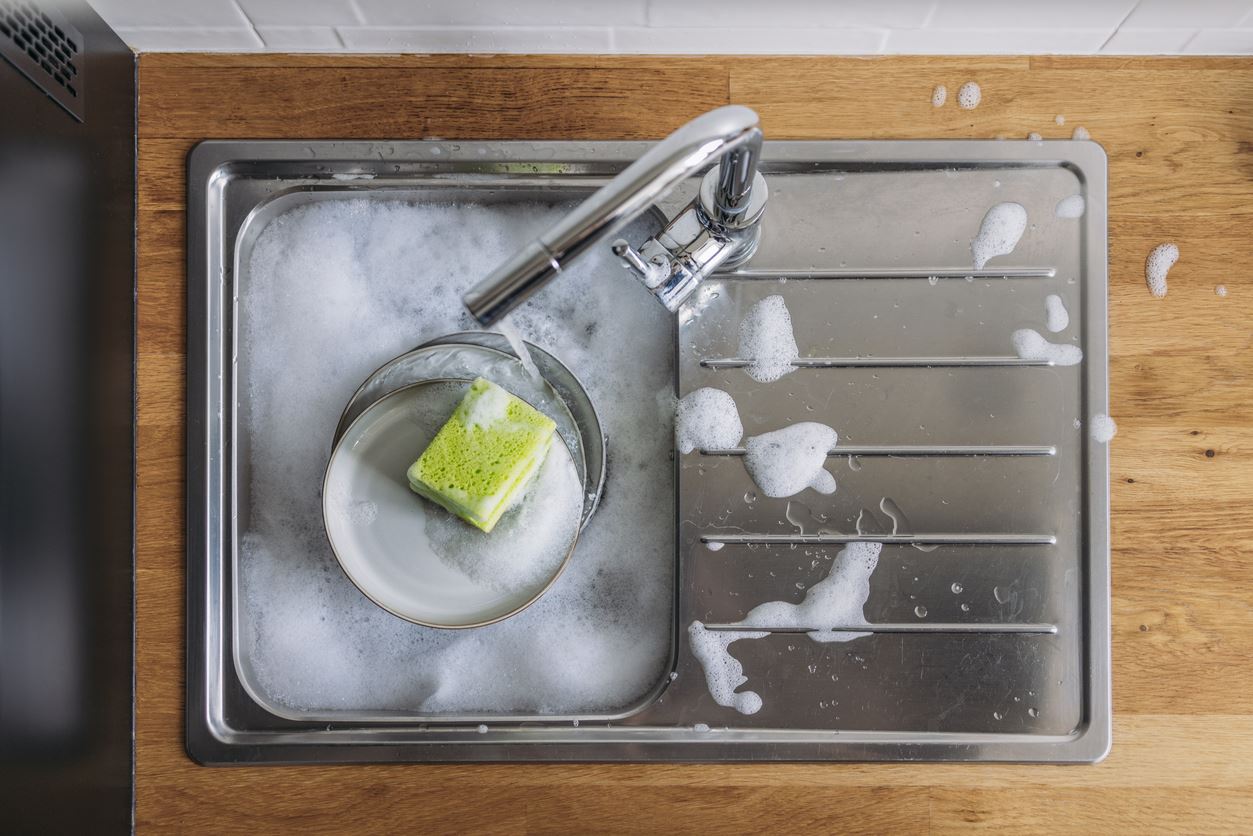
Your kitchen sink is usually filled with water because something is blocking the normal flow of wastewater through the drain. The most common causes include grease buildup, food debris, a clogged P-trap, a jammed garbage disposal, a blocked plumbing vent, or a deeper clog in the main drain or sewer line.
If only the kitchen sink is affected, the clog is often close to the sink. If multiple drains are backing up at the same time, the problem may be in the main drain line or sewer line and should be inspected by a professional plumber.
A kitchen sink that is backing up, filling with water, or sending water up through the drain usually means wastewater cannot move freely through your plumbing system. The problem may be as simple as grease and food buildup in the kitchen drain, or it may point to a deeper issue with the garbage disposal, P-trap, plumbing vent, main drain line, or sewer line.
If your sink is draining slowly, gurgling, smelling bad, or filling with dirty water, it is best to address the issue quickly before the clog worsens or causes water damage. Below, we’ll explain the most common reasons a kitchen sink backs up, what you can safely check yourself, and when to call EJ Plumbing for professional drain cleaning in Santa Clara, Santa Clara, and the surrounding Silicon Valley area.
Common Signs of a Kitchen Sink Backup
A sink backup does not always start with standing water. In many cases, you may notice warning signs before the sink completely stops draining.
Common signs include:
- Water rising in the sink after you run the faucet
- Water coming up from the kitchen sink drain
- Slow draining after washing dishes
- Gurgling sounds from the drain
- Bad smells coming from the sink
- Dirty or murky water backing up into the basin
- Water backing up when the dishwasher runs
- The garbage disposal humming, jamming, or causing water to rise
- Other drains in the home backing up at the same time
If you notice more than one of these symptoms, the issue may be more serious than a simple surface clog.
7 Common Reasons Water Backs Up in a Kitchen Sink
1. Grease, Food, or Soap Scum Is Clogging the Drain Line
Kitchen sinks handle food particles, grease, cooking oils, soap, and other debris every day. Over time, grease can stick to the inside of the drain line. Food scraps and soap residue can then collect on that sticky buildup, slowly narrowing the pipe until water can no longer drain properly.
This is one of the most common reasons a kitchen sink fills with water or drains slowly. Even if water eventually goes down, a recurring slow drain usually means the clog is building again.
What you can try: Run hot tap water for a few minutes and use a sink plunger to loosen the blockage. Avoid pouring cooking grease down the drain, even if you rinse it with hot water.
When to call a plumber: If the sink keeps backing up after plunging, the clog may be deeper in the line and require professional drain cleaning.
2. The Garbage Disposal Is Clogged or Jammed
If your kitchen sink has a garbage disposal, the disposal may be part of the problem. Food debris can collect inside the disposal chamber or in the drain line connected to it. The disposal can also jam if hard items, fibrous foods, or too much food waste are sent through at once.
A clogged disposal may cause water to sit in the sink, drain slowly, or rise when you turn the disposal on.
What you can try: Turn off the disposal and avoid putting your hand inside it. Check whether the unit needs to be reset. If it is humming but not grinding, stop using it until the jam is cleared safely.
When to call a plumber: If the disposal continues to back up, smells bad, leaks, or will not clear after basic troubleshooting, a plumber can inspect the disposal and drain connection.
3. The P-Trap Under the Sink Is Blocked
The P-trap is the curved pipe under your kitchen sink. Its job is to hold a small amount of water that blocks sewer gases from entering your home. Because of its shape, the P-trap can also collect food scraps, grease, and debris.
When the P-trap becomes clogged, water may drain very slowly or remain in the sink basin.
What you can try: If you are comfortable with basic plumbing, place a bucket under the trap and carefully remove it to clear debris. Be sure to reinstall it securely to avoid leaks.
When to call a plumber: If you are not comfortable removing the P-trap, if the fittings are corroded, or if the sink still backs up after the trap is cleaned, the clog may be farther down the drain line.
4. The Dishwasher Drain Line or Air Gap Is Causing a Backup
Your dishwasher usually drains through a hose connected to the kitchen sink drain, garbage disposal, or air gap. If that hose becomes clogged, kinked, or improperly connected, water may back up into the sink or appear around the air gap.
This is especially likely if your sink backs up when the dishwasher is running or immediately after a wash cycle.
What you can try: Check whether the dishwasher drain hose is kinked or whether the air gap is visibly clogged.
When to call a plumber: If dishwasher water is backing up into the sink repeatedly, a plumber can inspect the connection and clear the blockage safely.
5. The Plumbing Vent Is Blocked
Your plumbing system uses vent pipes to allow air into the drain system. This helps wastewater move smoothly through the pipes. If a vent becomes blocked by debris, leaves, animal nests, or other obstructions, the drain may lose proper airflow.
A blocked vent can cause slow drainage, gurgling sounds, bubbling water, or recurring backups.
What you can try: Vent issues are usually not safe or easy to diagnose without the right equipment, especially because vents often exit through the roof.
When to call a plumber: If your sink gurgles, drains slowly, or backs up even after the drain has been cleared, a blocked vent may need professional inspection.
6. There Is a Clog in the Main Drain Line
Sometimes the issue is not in the kitchen sink itself. A clog farther down the main drain line can cause water to back up into the kitchen sink, especially if the kitchen line connects to other fixtures.
A main drain clog may be caused by grease buildup, sludge, food waste, wipes, foreign objects, or pipe damage.
Signs of a deeper drain problem include:
- More than one drain is slow
- Water backs up in another fixture
- The sink backup returns shortly after being cleared
- You hear gurgling in nearby drains
- There are recurring drain odors
When to call a plumber: If multiple drains are affected or the backup keeps coming back, professional drain cleaning or a camera inspection may be needed.
7. The Sewer Line Is Backing Up
A sewer line backup is more serious than a simple kitchen sink clog. Sewer lines can become blocked by tree roots, collapsed pipes, grease, sludge, or debris. When wastewater cannot leave the home properly, it may come back up through drains.
If dirty water or sewage is backing up into your sink, bathtub, shower, or floor drain, stop using water in the home and call a plumber right away.
Warning signs of a sewer line issue include:
- Multiple drains backing up at once
- Sewage odors inside or outside the home
- Toilets gurgling when the sink runs
- Water backing up in tubs or showers
- Wet spots or unusual odors in the yard
Sewer line problems should be handled quickly to protect your home and prevent further damage.
Safe Things to Try Before Calling a Plumber
For a minor kitchen sink backup, there are a few safe steps you can try before scheduling service.
Use a Sink Plunger
A plunger can help loosen a clog near the drain opening or P-trap. Make sure there is enough water in the sink to cover the plunger cup and create a firm seal.
Run Hot Tap Water
Hot tap water may help soften grease buildup near the drain. Do not use boiling water if you are unsure about your pipe material, since extreme heat can damage some plumbing components.
Check the Garbage Disposal
If your sink has a disposal, make sure it is not jammed or overloaded. If the disposal is humming, leaking, or causing water to rise, stop using it until it can be inspected.
Look Under the Sink
Check for visible leaks, loose fittings, or standing water under the sink. A leak does not usually cause water to come up from the drain, but it may indicate another plumbing issue that needs repair.
Avoid Chemical Drain Cleaners
Chemical drain cleaners can damage pipes, create hazardous fumes, and splash back into the sink if the drain is blocked. They can also make the job more dangerous if a plumber needs to open the drain. For recurring or stubborn clogs, professional drain cleaning is a safer option.
When Should You Call a Plumber for a Backed-Up Kitchen Sink?
Call a professional plumber if:
- The sink keeps filling with water
- Water is coming up from the drain
- The clog returns after plunging
- The garbage disposal is jammed or leaking
- The sink backs up when the dishwasher runs
- You smell sewage or strong drain odors
- More than one drain is backing up
- Water is dirty, murky, or contaminated
- You suspect a main drain or sewer line issue
A plumber can determine whether the blockage is in the sink drain, P-trap, garbage disposal, main drain line, or sewer line.
How EJ Plumbing Clears Kitchen Sink Backups
At EJ Plumbing, we help homeowners throughout Santa Clara, Santa Clara, and Silicon Valley diagnose and clear kitchen sink backups quickly and safely.
Depending on the issue, our plumbers may recommend:
- Kitchen sink drain cleaning
- Garbage disposal inspection or repair
- P-trap cleaning or replacement
- Professional drain snaking
- Camera inspection for recurring backups
- Mainline clog diagnosis
- Hydro jetting for grease, sludge, or heavy buildup
- Sewer line inspection and repair when needed
If your kitchen sink keeps backing up, we do more than clear the immediate clog. We look for the cause of the problem so you can avoid repeated backups.
Need Kitchen Sink Drain Cleaning in Santa Clara or Silicon Valley?
If your kitchen sink is backing up, filling with water, or sending water up through the drain, do not wait for the clog to get worse. EJ Plumbing provides professional drain cleaning and plumbing repair for homeowners in Santa Clara, Santa Clara, Mountain View, Sunnyvale, Palo Alto, Los Altos, and nearby Silicon Valley communities.
Our plumbers can inspect the drain, clear the blockage, check the garbage disposal and P-trap, and determine whether the problem is isolated to the kitchen or connected to a deeper drain or sewer line issue.
Call EJ Plumbing at (650) 434-4432 or schedule service online today.
FAQs About Kitchen Sink Backups
Why is my kitchen sink filling up with water by itself?
A kitchen sink may appear to fill with water by itself when wastewater is backing up through the drain. This usually happens because of a clog in the sink drain, P-trap, garbage disposal, main drain line, or sewer line. If the water is dirty or smells bad, avoid using the sink and call a plumber.
Why is water coming up from my kitchen sink drain?
Water coming up from the kitchen sink drain means the wastewater has nowhere else to go. The blockage may be close to the sink, or it may be deeper in the drain system. If multiple drains are backing up, the issue may involve the main drain or sewer line.
Can a garbage disposal cause the sink to back up?
Yes. A clogged or jammed garbage disposal can prevent water from draining properly. Food scraps, grease, and debris can collect inside the disposal or in the drain line connected to it. If the disposal hums, leaks, smells bad, or causes water to rise, it should be inspected.
Why does my kitchen sink back up when the dishwasher runs?
Your dishwasher drains through a hose connected to the kitchen sink drain, garbage disposal, or air gap. If that hose is clogged, kinked, or connected incorrectly, dishwasher water can back up into the sink. A plumber can inspect the dishwasher drain connection and clear the blockage.
What does it mean if multiple drains are backing up?
If multiple drains are backing up at the same time, the problem may be in the main drain line or sewer line rather than the kitchen sink alone. This can be caused by a deep clog, tree roots, sludge buildup, or pipe damage. Schedule professional service as soon as possible.
Should I use chemical drain cleaner for a backed-up kitchen sink?
It is better to avoid chemical drain cleaners. They can damage pipes, create fumes, and splash back if the sink is full of standing water. They may also fail to remove the full blockage. Professional drain cleaning is safer and more effective for stubborn or recurring clogs.
When is hydro jetting needed for a kitchen sink clog?
Hydro jetting may be recommended when grease, sludge, or heavy buildup is coating the inside of the drain line. It uses high-pressure water to clear the pipe more thoroughly than basic snaking. A plumber can determine whether hydro jetting is appropriate after inspecting the drain.
How much does kitchen sink drain cleaning cost in Santa Clara?
The cost depends on the severity and location of the clog. A simple kitchen sink clog may be less expensive than a deeper mainline or sewer line blockage. EJ Plumbing can inspect the issue and provide options based on what is causing the backup.
Reach out to our team to learn more about our services through our website or by calling us at EJ Home Services.

Schedule Service
Our Services






Worried about an electrical or plumbing problem?
When you need electrical or plumbing services in San Jose, Santa Clara, or any of the communities in the surrounding Bay Area, count on EJ Home Services. With more than a decade of industry experience, our expertly-trained technicians can handle just about any problem you may have. From drain cleaning to water leaks, sewer line replacements, toilet repairs, electrical repair, upgrades, and more, you can rely on us for all your needs. We even offer emergency services upon availability for serious issues that just can't wait. Our dependable team is always available to assist you.